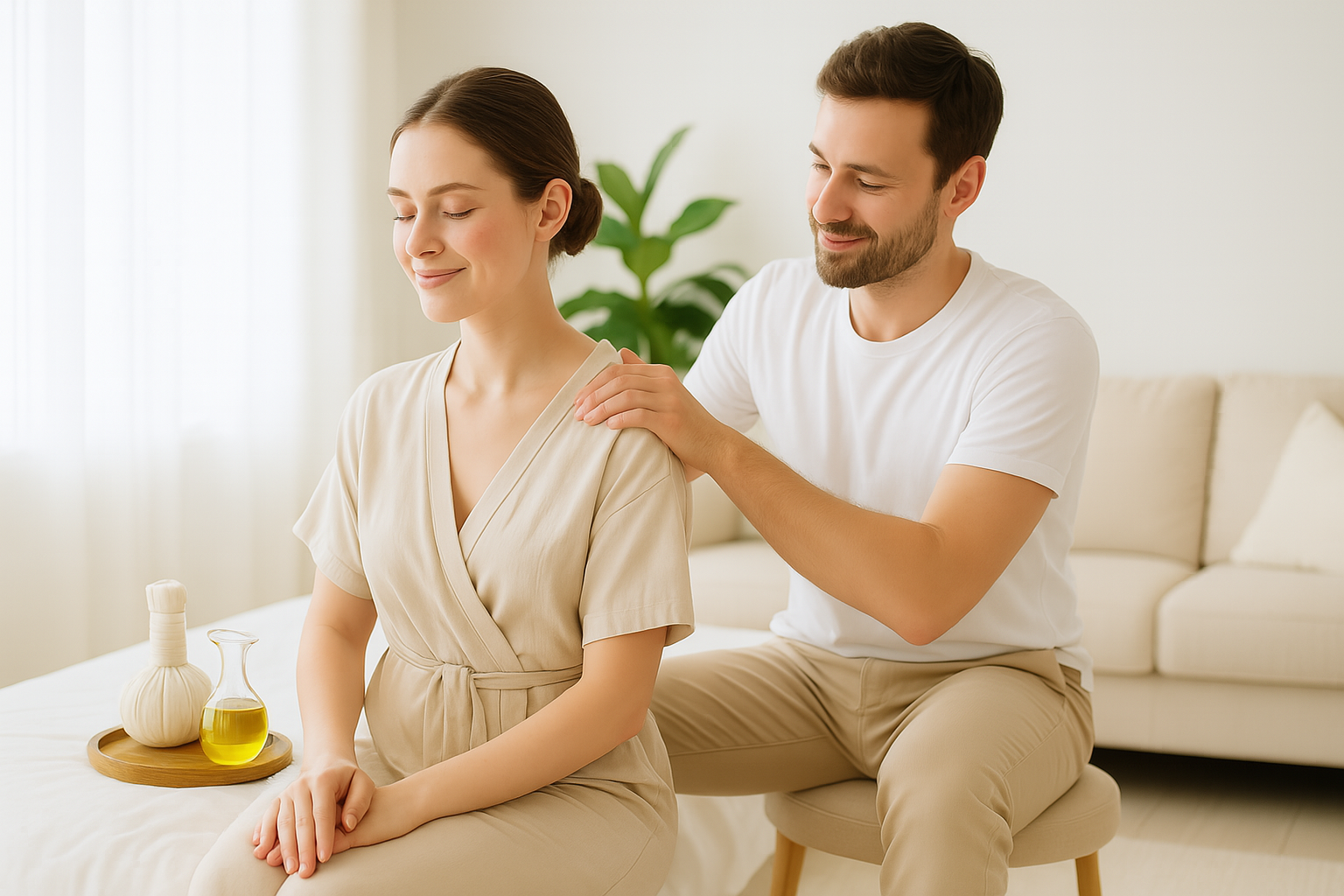
Thai Massage Oil Traditions: Ancient Wisdom for Modern Wellness
Thailand's massage traditions span over 2,500 years, blending influences from Indian Ayurveda, Chinese practices, and indigenous Thai wellness customs. At the heart of these traditions lies a profound understanding of the body's energy systems and the botanical gifts of nature.
The History of Thai Massage
Origins in Ancient Thailand
Thai massage, known locally as "Nuad Thai" (นวดแผนไทย), has roots tracing back to the Buddha's physician, Jivaka Kumar Bhaccha. This ancient art was preserved and developed in Buddhist temples, where it was considered a spiritual practice as much as a physical one.
The Temple Tradition
For centuries, temples served as centers of wellness. Monks practiced and taught massage techniques as acts of loving-kindness (metta), using locally sourced herbs and oils to enrich the experience.
Royal Patronage
Thai royalty recognized massage's cultural importance, establishing royal massage schools and preserving techniques through palace traditions. King Rama III famously inscribed massage point diagrams at Wat Pho temple in 1836 – still visible today.
Traditional Thai Wellness Philosophy
The Concept of "Sen" Lines
Traditional Thai thought recognizes 72,000 energy lines (sen) running through the body. Thai massage works along ten primary sen lines to encourage a sense of flow and balance.
Balance of Elements
Thai wellness philosophy identifies four elements within the body:
- Earth (Din) – Stability, structure
- Water (Nam) – Fluidity, emotions
- Fire (Fai) – Energy, transformation
- Air (Lom) – Movement, breath
Thai philosophy holds that harmony among these elements reflects a balanced state of being. Massage and aromatherapy are part of honoring that harmony.
The Spirit of "Sabaidee"
"Sabaidee" (สบายดี) – meaning "feeling good" or "wellness" – captures the essence of Thai philosophy. It speaks to a positive state of physical, emotional, and spiritual well-being.
Traditional Thai Massage Oils
Historical Ingredients
Traditional Thai massage oils incorporated locally available ingredients:
Coconut Oil – The foundation of many traditional preparations, prized for its nourishing properties and cultural significance.
Prai (Plai) – A fragrant ginger-like rhizome, treasured in traditional Thai preparations for its warm, spicy aroma.
Lemongrass – Bright, citrusy grass loved for its fresh, zesty scent.
Kaffir Lime – Both leaves and peel used for their cleansing, brightening aroma.
Tamarind – Used in preparations for skin softening.
The Role of Aromatics
Thai artisans understood that scent is a powerful part of the experience. They combined massage techniques with aromatic herbs to create rituals that engage body and mind at once.
Modern Evolution
Today's Thai massage oils honor these traditions while incorporating global ingredients:
- Lavender from France for its soft, floral aroma
- Sweet Orange for a bright, cheerful citrus note
- Argan Oil from Morocco for skin nourishment
- Jojoba Oil for optimal absorption
This fusion of Eastern tradition and Western botanical know-how creates products that deliver an authentic Thai wellness experience.
The Spiritual Dimension
Metta: Loving-Kindness
Traditional Thai massage is practiced with metta – loving-kindness toward the recipient. This intention transforms massage from mere physical manipulation into a mindful ritual.
Mindful Touch
Thai practitioners enter a meditative state while working. This presence and attention deepen the experience of touch.
Breath Awareness
Both giver and receiver focus on breath during traditional Thai massage. This shared breathing creates connection and deepens the sense of calm.
Bringing Thai Traditions Home
Creating Sacred Space
Transform your massage area into a sanctuary:
- Dim lighting or candles
- Soft, ambient music (traditional Thai instruments or nature sounds)
- Clean, comfortable surfaces
- Pleasant ambient temperature
Setting Intention
Before beginning, take a moment to set an intention:
- For relaxation and a quiet mind
- For comfort and grounding
- For connection (if massaging a partner)
- For self-love and care
The Ritual of Oil Application
In Thai tradition, warming oil in your palms before application is both practical and symbolic – warming the oil improves absorption while the pause creates a mindful transition into the massage experience.
Thai Massage Techniques for Home Practice
Self-Massage Points
These traditional points can be easily accessed for self-care:
Temple Circles – Gentle circular pressure at the temples, a classic self-massage moment.
Neck Release – Gently squeeze and release along the neck, a comforting ritual after a long day.
Shoulder Press – Apply thumb pressure along the tops of the shoulders.
Hand Reflexology – Massage the palm and the spaces between the fingers, a grounding little ritual.
Foot Massage – A beloved part of Thai self-care tradition.
Partner Massage Basics
For couples or friends:
Start with Connection – Rest hands gently on the recipient's back, breathing together.
Long Strokes – Begin with long, flowing strokes to spread oil and warm the skin.
Gradual Pressure – Increase pressure slowly, always checking comfort.
Work Symmetrically – Balance work on both sides of the body.
End Gently – Conclude with light, flowing strokes.
Why Thai Massage Oil Differs
The Heat Factor
Thailand's tropical climate influenced oil formulations – lighter oils that absorb quickly and don't feel heavy in warm conditions.
Skin Compatibility
Thai formulations traditionally considered the skin's role in well-being, using oils that nourish while allowing skin to breathe.
Aromatherapy Integration
Unlike some traditions that separate massage from aromatherapy, Thai wellness seamlessly weaves scent into the art of touch.
Sabaidee Essentials: Honoring Tradition
Our Premium Thai Massage Oil bridges ancient wisdom and modern wellness:
Authentically Thai – Handcrafted in Bangkok by artisans trained in traditional methods.
Time-Honored Philosophy – Created in the spirit of sabaidee – genuine well-being, not just a surface experience.
Quality Ingredients – Premium carrier oils and pure essential oils meeting international quality standards.
Traditional Intention – Made with respect for Thailand's wellness heritage.
Frequently Asked Questions
What makes Thai massage oil different from regular massage oil?
Thai massage oils typically feature lighter textures for tropical climates, integrated aromatherapy for a mind-and-body ritual, and formulations designed to work with traditional Thai massage techniques.
Can I enjoy the Thai massage experience at home?
Absolutely. While professional Thai massage offers specific techniques, using authentic Thai massage oil during self-massage or partner massage brings many traditional pleasures home: a beautiful aroma, nourished skin, and an unhurried ritual.
Is Thai massage oil good for daily use?
Yes. Our Premium Thai Massage Oil can be used as a daily body oil for moisturizing, an occasional massage oil for an indulgent ritual, or an aromatherapy oil for a lift of fragrance.
What does "sabaidee" mean?
"Sabaidee" (สบายดี) is Thai for "feeling good" or "wellness." It's both a greeting and a state of being – representing physical comfort, emotional balance, and overall well-being.
Embrace the Thai Wellness Way
Thailand's massage traditions offer more than techniques – they provide a philosophy of care, presence, and ritual. By bringing these principles into your self-care practice, you connect with centuries of wellness wisdom.
Whether through professional treatments or home practice with authentic Thai massage oil, you can experience what Thais have cherished for millennia: caring attention to body, mind, and spirit.
Experience authentic Thai wellness traditions with Sabaidee Essentials Premium Massage Oil – where ancient wisdom meets modern luxury.