Natural vs Synthetic Massage Oil: What You Need to Know
When shopping for massage oil, the ingredient list can feel overwhelming. "Natural," "organic," "synthetic," "fragrance" – what do these terms actually mean, and why should you care? Understanding the difference between plant-based and synthetic massage oils helps you make informed choices for your skin and your self-care routine.
Understanding the Basics
What Are Natural Massage Oils?
Plant-based massage oils are derived from plants, seeds, nuts, and flowers through processes like:
- First-press extraction – Mechanical pressing without heat
- Steam distillation – Using steam to draw out essential oils
- Expeller pressing – Physical pressing of seeds and nuts
- CO2 extraction – Using carbon dioxide as a solvent
Common plant-based ingredients include:
- Jojoba oil (from jojoba seeds)
- Sweet almond oil (from almonds)
- Argan oil (from argan tree nuts)
- Lavender essential oil (from lavender flowers)
- Coconut oil (from coconuts)
What Are Synthetic Massage Oils?
Synthetic massage oils contain ingredients created in laboratories. These can include:
- Mineral oil – Petroleum byproduct
- Synthetic fragrances – Lab-created scent compounds
- Artificial preservatives – Parabens, phenoxyethanol
- Silicones – Dimethicone, cyclomethicone
- Artificial colors – Dyes and colorants
Why This Difference Matters
Skin Absorption
Your skin is your body's largest organ, and it interacts with what you apply to it:
Plant-Based Oils:
- Compatible with the feel of human skin
- Contain vitamins, antioxidants, and fatty acids
- Absorb smoothly and leave skin nourished
- Provide a genuinely pampering finish
Synthetic Ingredients:
- May sit on the surface rather than absorbing
- Lack the nutrients of plant oils
- Can leave a film over time
- Primarily cosmetic with little skin benefit
Aromatherapy and Scent
The difference between a pure essential oil and a synthetic fragrance is dramatic:
Pure Essential Oils:
- Contain hundreds of aromatic compounds
- Reach you through the sense of smell for a true aromatherapy experience
- Offer a rich, layered scent
- Aroma evolves naturally over time
Synthetic Fragrances:
- Single-note, artificial scent
- A flat, one-dimensional aroma
- Can feel harsh or overwhelming to sensitive noses
- Scent stays static and artificial
Many people find synthetic fragrances overwhelming and a common cause of skin sensitivity, while pure essential oils, properly diluted, tend to be far gentler on the senses.
The Clean-Beauty Perspective
Ingredients Many People Prefer to Avoid
Mineral Oil
- Petroleum-derived
- Sits as a barrier on the skin
- May carry contaminants from petroleum processing
- Offers little for the skin itself
Parabens
- Preservatives used to extend shelf life
- Detected in human tissue samples
- A frequent subject of consumer-safety debate
- Banned or restricted in some countries
Phthalates
- Often hidden under "fragrance"
- A frequent subject of consumer-safety debate
- Found in many conventional personal care products
- Something many shoppers choose to avoid
Synthetic Fragrances
- Can contain dozens of undisclosed chemicals
- "Fragrance" is protected as a trade secret
- A common allergen and irritant
- May contain phthalates
Why Plant-Based Ingredients Appeal
Plant-based doesn't automatically mean gentle – poison ivy is a plant! However, when properly formulated:
- Quality carrier oils have centuries of use behind them
- Pure essential oils are well understood at appropriate dilutions
- Fewer unknown chemical interactions
- A shorter, more transparent ingredient list
Comparing Performance
Texture and Feel
Plant-Based Oils:
- Varied textures from light (jojoba) to rich (avocado)
- Absorb at different rates
- Leave skin genuinely nourished
- Feel authentic rather than engineered
Synthetic Oils:
- Uniform, engineered texture
- Often designed for immediate smoothness
- May leave an artificial-feeling residue
- Can feel silky but not nourishing
Massage Performance
For actual massage work:
Plant-Based Oils:
- Generally good glide
- Absorbed gradually during the session
- May need reapplication for long massages
- Nourishing as they absorb
Synthetic Oils (especially silicone-based):
- Extended glide without reapplication
- Don't absorb (stay on the surface)
- Trickier cleanup
- No post-massage skin benefit
Shelf Life
Plant-Based Oils:
- Shorter shelf life (6-24 months typically)
- May prefer cool, dark storage
- Eventually oxidize over time
- Quality visible through smell and appearance
Synthetic Products:
- Longer shelf life
- More stable at various temperatures
- Preserved with synthetic preservatives
- Degradation less obvious
Reading Labels Like a Pro
Red Flags to Watch For
🚩 "Fragrance" or "Parfum" – Could contain dozens of undisclosed synthetic chemicals
🚩 Mineral Oil – Petroleum-derived, little skin benefit
🚩 Parabens – Look for methylparaben, propylparaben, butylparaben
🚩 Phthalates – Often hidden in "fragrance"
🚩 Artificial Colors – FD&C dyes, unnecessary for massage oil
🚩 "-cone" ingredients – Silicones (dimethicone, etc.)
Green Flags to Seek
✅ Named plant oils – Jojoba oil, sweet almond oil, argan oil, etc.
✅ Essential oil names – Lavandula angustifolia (lavender), Citrus sinensis (orange)
✅ Vitamin E – Often listed as tocopherol (a plant-based preservative)
✅ Short ingredient list – Quality oils don't need many additives
✅ Botanical names – Shows attention to ingredient sourcing
Understanding "Natural" Claims
Be aware that "natural" isn't legally defined in cosmetics. Look for:
- Organic certification – Third-party verified
- Complete ingredient list – Transparency
- Clean beauty certifications – Various third-party standards
- Company transparency – Willingness to explain sourcing
The Environmental Angle
Sustainability Considerations
Plant-Based Oils:
- Renewable plant resources
- Biodegradable
- Support agricultural communities
- Lower processing energy (usually)
Synthetic Ingredients:
- Often petroleum-derived (finite resource)
- Chemical processing required
- Less biodegradable
- May carry a higher environmental footprint
Responsible Sourcing
Quality plant-based products consider:
- Sustainable farming practices
- Fair trade sourcing
- Ecosystem preservation
- Carbon footprint
Making Your Choice
Choose Plant-Based If You:
- Want a genuine aromatherapy experience
- Prefer knowing exactly what's in your products
- Have sensitive or reactive skin
- Value post-massage skin nourishment
- Care about environmental impact
- Want a shorter, more transparent ingredient list
Consider the Trade-offs:
- Plant-based products may cost more
- Shorter shelf life means fresher purchasing
- Some botanical scents are subtler than synthetic
- Texture may feel less "engineered"
The Sabaidee Essentials Approach
Our Premium Thai Massage Oil embraces the plant-based philosophy:
100% Plant-Based Ingredients
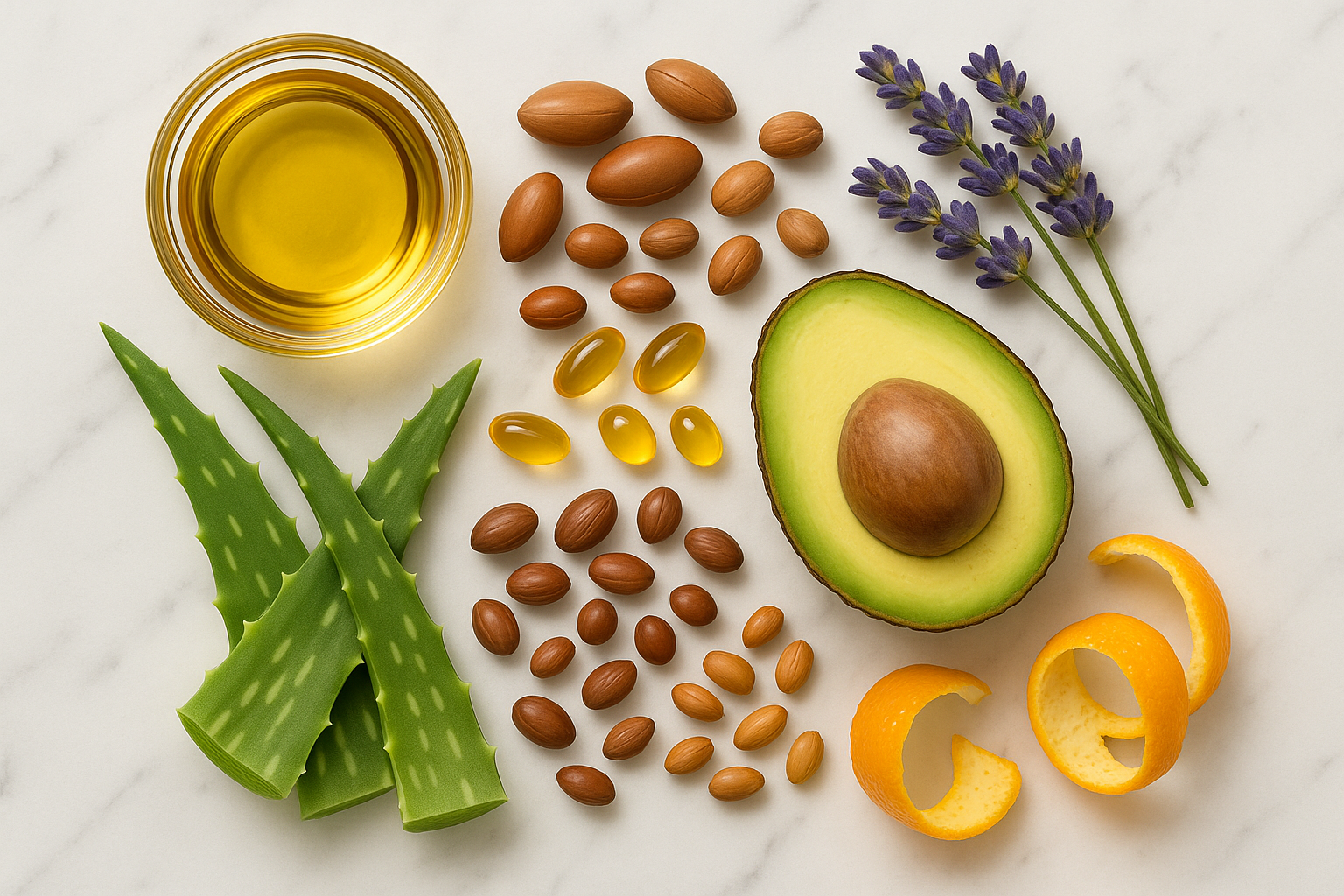
- Jojoba, argan, sweet almond, avocado oils
- Aloe vera extract
- Pure lavender and sweet orange essential oils
- Vitamin E
What We Don't Include
- No parabens
- No phthalates
- No mineral oil
- No synthetic fragrances
- No artificial colors
Why It Matters Every ingredient serves a purpose: nourishing your skin, bringing a beautiful aroma, or keeping the oil fresh. Nothing more, nothing less.
Frequently Asked Questions
Is "fragrance-free" the same as natural?
Not necessarily. Fragrance-free products simply lack scent but may still contain synthetic ingredients. Look for products scented with pure essential oils.
Are synthetic massage oils dangerous?
Most are considered safe for general use, but many shoppers simply prefer plant-based alternatives and a shorter ingredient list.
Why do natural oils cost more?
Quality plant oils require sustainable farming, careful harvesting, proper extraction, and gentle preservation. These processes cost more than industrial chemical production.
Can I be allergic to plant-based ingredients?
Yes. Plant-based doesn't mean hypoallergenic. However, it's easier to identify a specific ingredient in a plant-based product than to track down the components of a synthetic fragrance.
How can I tell if a product is truly natural?
Read the full ingredient list. Research unfamiliar terms. Look for certifications. Choose brands that are transparent about sourcing and formulation.
Your Body Deserves the Best
What you put on your skin matters. During massage, your skin is warm and receptive, so this is exactly when you want pure, plant-based ingredients working with your body.
Choose a massage oil that nourishes and pampers your skin with pure, time-tested ingredients.
Experience the difference with Sabaidee Essentials Premium Thai Massage Oil – purely plant-based, beautifully crafted.