Best Massage Oil for Sensitive Skin: A Complete Guide
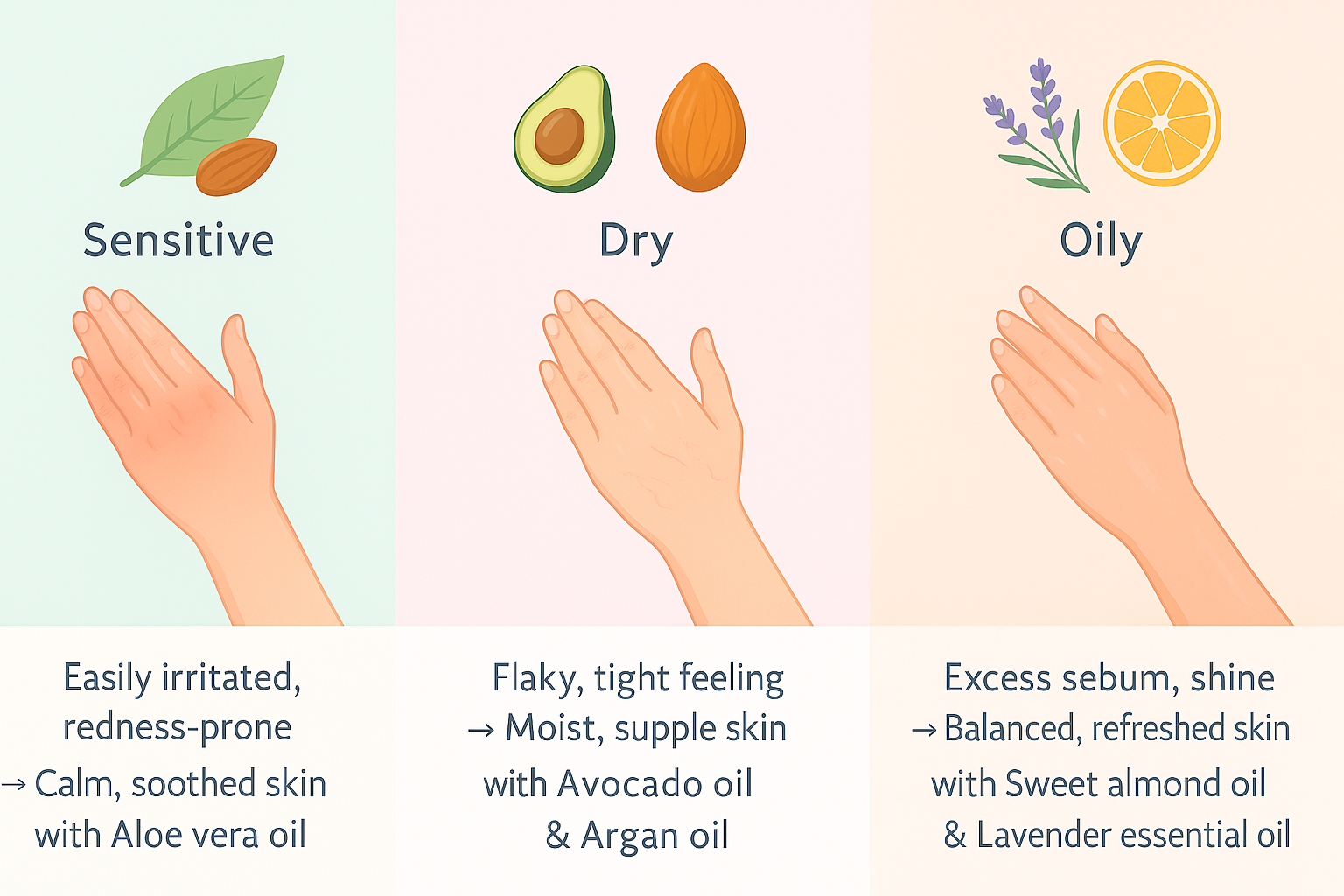
Having sensitive skin shouldn't mean missing out on the benefits of massage. The right massage oil can nourish reactive skin while providing excellent massage performance. This guide helps you navigate ingredients, understand your skin, and find products that work with your sensitivity, not against it.
Understanding Sensitive Skin
What Makes Skin "Sensitive"?
Sensitive skin isn't a medical diagnosis but rather a description of how skin reacts to various stimuli. Characteristics include:
- Reactivity – Quick response to products, environment, or touch
- Redness – Easily flushed or irritated appearance
- Discomfort – Burning, stinging, itching, or tightness
- Dryness – Compromised moisture barrier
- Breakouts – Reactions to certain ingredients
Common Triggers
Sensitive skin often reacts to:
- Synthetic fragrances
- Harsh preservatives
- Alcohol (drying)
- Certain essential oils (at high concentrations)
- Artificial dyes
- Sulfates
- Petroleum derivatives
Why Massage Can Be Challenging
Massage presents unique challenges for sensitive skin:
- Extended Contact – Oil stays on skin longer than regular products
- Friction – Massage strokes can irritate already reactive skin
- Heat – Increased blood flow can trigger sensitivity
- Absorption – Open pores during massage increase ingredient penetration
- Coverage – Large application area increases risk
The Best Carrier Oils for Sensitive Skin
Jojoba Oil: The Gold Standard
Why It's Ideal:
- Technically a liquid wax, not an oil
- Closest to skin's natural sebum
- Non-comedogenic (won't clog pores)
- Rarely causes reactions
- Absorbs beautifully
- Excellent moisturizing properties
Best For: All sensitive skin types, especially oily-sensitive
Sweet Almond Oil: Gentle Nourisher
Why It Works:
- Light, easily absorbed texture
- Rich in vitamin E
- Naturally soothing
- Mild, pleasant scent
- Excellent massage glide
- Budget-friendly
Best For: Dry-sensitive skin
Note: Avoid if you have tree nut allergies
Avocado Oil: Deep Nutrition
Why It Works:
- Deeply penetrating, rich texture
- High in vitamins A, D, E
- Contains sterolins that help soften the feel of skin
- Conditioning and nourishing
- Unrefined versions retain a fuller character
Best For: Very dry or mature sensitive skin
Argan Oil: Protective Luxury
Why It Works:
- High in antioxidants
- Contains skin-loving fatty acids
- Helps skin feel supple and conditioned
- Lightweight feel despite its richness
Best For: Sensitive skin that wants extra nourishment and softness
Coconut Oil: With Caution
Considerations:
- Can be comedogenic for some
- May cause breakouts on acne-prone skin
- Excellent for non-facial massage
- Rich, conditioning feel
- Very nourishing when tolerated
Best For: Sensitive skin that's not acne-prone; body (not face) massage
Ingredients to Avoid
Major Irritants
🚫 Synthetic Fragrances Listed as "fragrance" or "parfum" – can contain dozens of sensitizing chemicals.
🚫 Parabens Preservatives that can trigger reactions. Look for methylparaben, propylparaben, butylparaben.
🚫 Mineral Oil Petroleum-derived, creates barrier that can trap irritants against skin.
🚫 Artificial Dyes Unnecessary color additives that can cause reactions.
🚫 Sulfates Harsh cleansing agents sometimes found in combination products.
🚫 Alcohol (Denat) Drying agent that compromises skin barrier.
Essential Oil Caution
While natural, some essential oils are potential sensitizers:
Higher Risk:
- Cinnamon bark
- Clove
- Oregano
- Thyme
- Lemongrass (in high concentrations)
Generally Gentler:
- Lavender (properly diluted)
- Roman chamomile
- Frankincense
- Sandalwood
- Sweet orange (properly diluted)
Important: Even gentle essential oils can irritate if:
- Concentration is too high
- Oil is oxidized (old)
- Application is too frequent
Testing and Patch Testing
Before Full Use
The 24-Hour Patch Test:
- Apply small amount to inner forearm
- Cover lightly with bandage
- Wait 24 hours
- Check for redness, itching, bumps
- No reaction = likely safe for broader use
Extended Testing:
- Use on small area for 3-5 days
- Watch for delayed reactions
- Some sensitivities develop with repeated exposure
When Reactions Occur
Immediate Steps:
- Wash area with cool water and mild soap
- Apply cool compress
- Use gentle, fragrance-free moisturizer
- Avoid sun exposure on affected area
If Severe:
- Seek medical attention for significant reactions
- Document ingredients for future reference
- Consider allergy testing for recurring issues
Massage Techniques for Sensitive Skin
Gentle Approaches
Lighter Pressure Sensitive skin may not tolerate deep tissue work. Focus on:
- Effleurage (long, gliding strokes)
- Gentle petrissage (light kneading)
- Feather-light finishing strokes
Shorter Sessions Extended massage can overwhelm sensitive skin:
- Start with 15-20 minutes
- Build duration as tolerance develops
- Allow recovery time between sessions
Temperature Awareness
- Warm oil slightly (not hot)
- Avoid drafts during massage
- Keep the room comfortably warm
Areas of Caution
Face
- Most sensitive area for many
- Use even lighter touch
- Patch test carefully before facial massage
Chest/Décolletage
- Often reactive area
- Very light application
- Avoid if prone to allergic rashes
Inner Arms and Thighs
- Thinner skin, more reactive
- Gentle techniques only
- Good areas for patch testing
Product Selection Guide
What to Look For
✅ Short Ingredient List Fewer ingredients = fewer potential triggers
✅ Named Plant Oils Specific oils (jojoba, almond) rather than vague terms
✅ Natural Preservation Vitamin E (tocopherol), rosemary extract
✅ Proper Essential Oil Dilution If scented, essential oils should be at safe concentrations
✅ Certifications Hypoallergenic testing, dermatologist tested
✅ Transparency Brands willing to discuss formulation
Questions to Ask
Before purchasing:
- What preservatives are used?
- What is the essential oil concentration?
- Has this been tested on sensitive skin?
- Are all ingredients disclosed?
- What is the shelf life?
Building a Sensitive Skin Routine
Starting Out
Week 1-2:
- Patch test selected products
- Use minimal amount initially
- Shorter massage sessions
- Monitor any reactions
Week 3-4:
- If no reactions, increase application area
- Gradually extend session length
- Pay attention to cumulative effects
Ongoing:
- Establish regular routine
- Note any pattern in reactions
- Rotate products if sensitivity develops
- Maintain skin barrier with proper hydration
Supporting Skin Health
Before Massage:
- Ensure skin is clean but not freshly exfoliated
- Avoid harsh products same day
- Hydrate by drinking water
After Massage:
- Let oil absorb naturally
- Avoid washing immediately
- Skip additional fragranced products
- Monitor for delayed reactions
General Care:
- Keep skin barrier healthy with gentle routine
- Avoid over-exfoliating
- Protect from sun
- Stay hydrated
Sabaidee Essentials for Sensitive Skin
Our Premium Thai Massage Oil is formulated with sensitive skin in mind:
Gentle Carrier Oil Blend:
- Jojoba (most similar to skin's sebum)
- Sweet Almond (gentle nourishment)
- Argan (protective antioxidants)
- Avocado (deep nutrition)
- Aloe Vera (soothing, calming)
Clean Formulation:
- No parabens
- No phthalates
- No synthetic fragrances
- No mineral oil
- No artificial colors
Thoughtful Essential Oils:
- Lavender (one of the gentlest)
- Sweet orange (mild, generally well-tolerated)
- Properly diluted for safety
Quality Control:
- FDA compliant manufacturing
- Consistent formulation
- Fresh, properly stored ingredients
Frequently Asked Questions
Can people with very reactive skin use massage oil?
Many people with reactive, easily irritated skin find gentle oils comfortable to use. Jojoba and sunflower oils are often well-tolerated. Always patch test first, and if your skin is prone to flare-ups, check with your dermatologist before trying something new.
What if I'm allergic to tree nuts?
Avoid oils derived from tree nuts (almond, walnut, hazelnut). Jojoba, coconut (technically a fruit), and sunflower oils are generally safe alternatives.
How do I know if an essential oil concentration is safe?
For sensitive skin, essential oils should typically be 0.5-1% of the formula (compared to 1-2% for normal skin). Quality products will use appropriate dilution levels.
Can sensitivity to products develop over time?
Yes. "Contact sensitization" can occur with repeated exposure to certain ingredients. If you suddenly react to a long-used product, your skin may have developed sensitivity.
Should I avoid all scented massage oils?
Not necessarily. Products scented naturally with properly diluted, gentle essential oils (like lavender) are often tolerated. Synthetic fragrances are the bigger concern.
Is unscented always better for sensitive skin?
Usually, yes. However, unscented products can still contain sensitizing ingredients. Focus on the full ingredient list, not just fragrance status.
Your Skin Deserves Gentle Care
Sensitive skin requires thoughtful product choices, but it doesn't mean missing out on a beautiful massage ritual. By understanding your triggers, choosing appropriate products, and using gentle techniques, you can enjoy the calming, spa-like experience and skin nourishment that a quality massage oil provides.
Listen to your skin. It will tell you what works.
Discover gentle, nourishing massage with Sabaidee Essentials Premium Thai Massage Oil – carefully formulated for even sensitive skin.